Used HOWO Truck Inspection Checklist: 10 Things to Check Before You Pay
Most used-truck disputes start with a missed check. Here are the ten points our workshop inspects before a HOWO unit is listed for export.
Read articleWho pays the freight, which port you should choose, and which documents must arrive before your container does — explained without the jargon.
Buying a trailer or excavator from China is the easy part. Getting it to your yard in Lagos, Mombasa, Durban or Tema at a predictable cost is where most first-time importers lose time and money.
This guide explains the two Incoterms you will be quoted, the three shipping methods, the documents you must have, and what to confirm before you send a deposit.
FOB (Free On Board) means the price covers the unit delivered to the Chinese port and loaded on the ship. You arrange and pay the ocean freight, insurance and destination charges. CIF (Cost, Insurance and Freight) means the price includes the ocean freight and insurance to your port, but still not the destination port charges, import duty or inland transport.
In practice: ask for both. A CIF price is easier to compare and budget, while an FOB price lets you use your own forwarder if you already have one.
Choose based on overall landed cost, not just the freight line. A container that takes two flatbeds is often cheaper per trailer than two flat racks.
Missing a certificate of conformity at destination is the most common reason a container sits at port and starts generating demurrage.
West Africa: Lagos/Apapa, Tema, Abidjan, Douala, Cotonou. East Africa: Mombasa, Dar es Salaam. Southern Africa: Durban, Walvis Bay, Beira.
Typical ocean transit from Qingdao or Shanghai is 30–40 days to West Africa and 20–30 days to East Africa, plus 5–10 days for booking and loading. Add 1–2 weeks for clearance at destination if the documents are complete.
Import duty, VAT, port charges, inland transport and registration are always on the buyer's side, whether you buy FOB or CIF. Ask your clearing agent for a landed-cost estimate before you order: on larger machines, duty and port charges can add a fifth to a quarter of the unit price.
We quote both FOB and CIF and work with clearing partners in Lagos, Mombasa, Tema and Durban. Send the destination port and the unit you are considering through the contact form and we will reply with a loading plan and landed-cost breakdown.
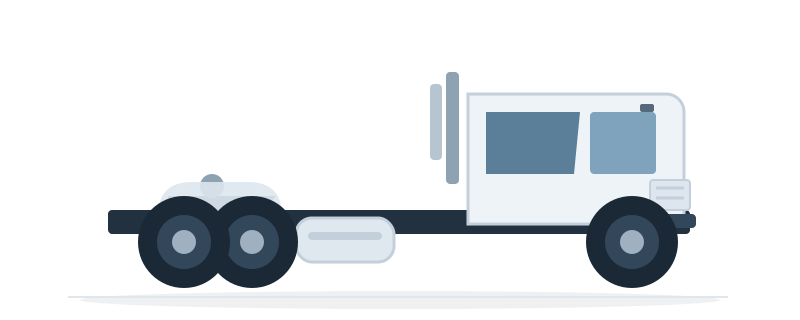
Most used-truck disputes start with a missed check. Here are the ten points our workshop inspects before a HOWO unit is listed for export.
Read article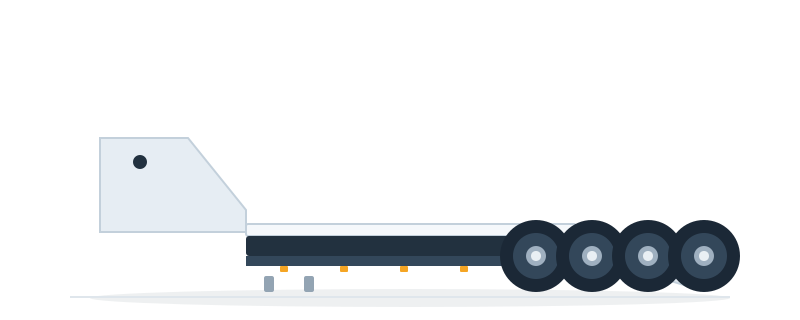
Deck height, payload, loading method and price — a practical comparison for fleet buyers who move containers, steel or excavators.
Read articleSemi-trailers, construction machinery and inspected used trucks, shipped from Qingdao and Shanghai to African ports.